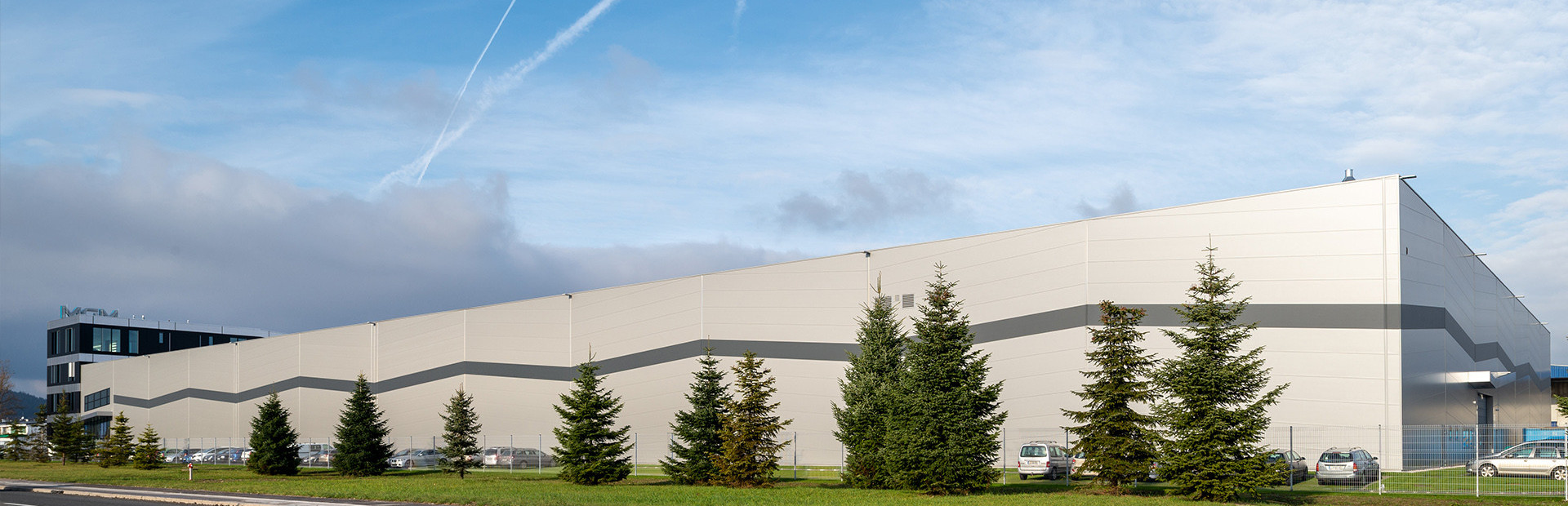
Buildings designed today are expected to perform for decades, while their structure, materials and systems often remain largely unchanged throughout their lifespan. Yet some of the standards they will need to meet are only being defined now. This gap between long-term use and new performance expectations is already influencing early design decisions.
From visible design to invisible performance
In most construction projects, early design discussions usually focus on architectural expression, structure, form and materiality. But the air inside the building matters too. It influences comfort and the overall indoor environment experienced by building occupants. It is shaped not only by ventilation, but also by the materials used throughout the building, as construction products can release emissions into the air. That is why material choice is becoming an increasingly important part of early design decisions.
From August 2026 onwards, this will also be reflected in stricter requirements under the updated EU rules on volatile organic compound (VOC) emissions from indoor construction products. VOCs, short for volatile organic compounds, are gases released from certain solids or liquids, including materials used in construction products. The regulation covers emissions that may be released from materials used inside buildings, with formaldehyde being one of the substances specifically addressed. For formaldehyde, the new limit is set at 80 µg/m³. The reason is straightforward: emissions from building products can affect indoor air quality and, consequently, the comfort of the people using the space. For the construction industry, this means that indoor air quality is becoming a measurable performance criterion that should be addressed from the earliest design stages.
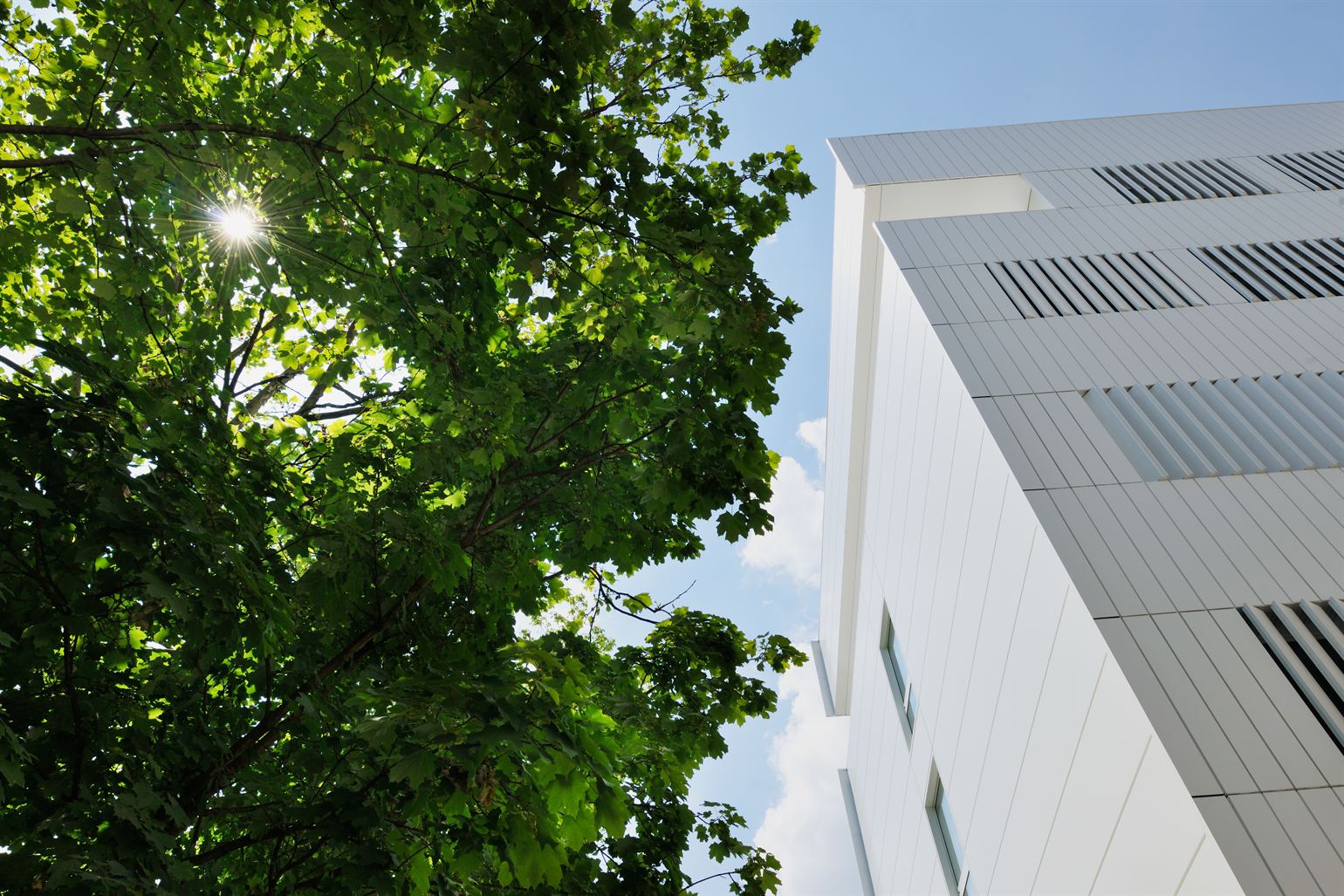
Addressing indoor air quality from day one
For investors, timing matters. If emission performance is considered only later in the process, changes can become more complicated, especially once specifications, timelines and costs have already been defined. Choosing materials that already meet the upcoming thresholds helps reduce this risk from the beginning. Trimo’s panels already achieve formaldehyde emission levels well below the new limit, at only one eighth of the permitted threshold. This supports more confident material decisions and provides a clearer path to meeting indoor air quality requirements from the start.
Trimo is always ready
Trimoterm and Qbiss provide a straightforward way to include low-emission performance directly in the building envelope, without adding complexity to design or execution. For investors, this means one less issue to solve later and greater certainty from the start.
As expectations around buildings continue to evolve, the value of early decisions becomes more evident over time. Selecting materials that already meet upcoming requirements is not about exceeding standards for its own sake, but about reducing uncertainty as regulations and performance expectations continue to evolve. The August 2026 requirements may be new, but the decisions that determine compliance are already being made today. For projects being designed today, this already influences key decisions long before construction begins.
Speak with our team to learn more about low-emission solutions, verified emissions performance and future regulatory requirements.